
For Educators & Schools
What is Abuse?
Abuse is when someone hurts another person’s body or feelings on purpose, in a very serious way.
Overview of Curriculum Topics
Recognizing types of abuse and children’s rights to safety
Abuse is never the child’s fault
Identifying healthy and unhealthy behaviors in adults, peers, and older children
Telling a trusted adult about abuse, threats, bullying, or other types of violence
Awareness of personal boundaries and what behaviors are a violation of boundaries
Recognizing warning signals of concerning behaviors such as secret keeping, bribery, coercion, force, rule-breaking, and normalization of abusive behaviors
Responsibility for own behaviors and respecting boundaries
Promote empowerment, coping and self-regulation skills
-
Brave Boundaries: Pre-K through 6th Grade Curriculum
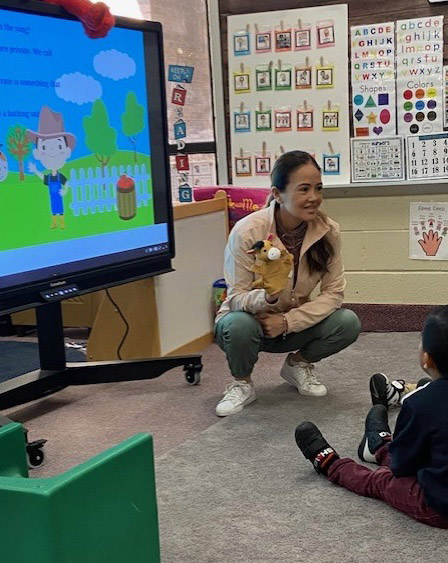
Brave Boundaries is designed to provide age-appropriate, interactive education for students from Pre-K through 6th grade. Lessons at each grade level are tailored to match developmental understanding, using movement, discussion, and real-life scenarios to help students connect concepts to their everyday lives. The program’s language is carefully selected to ensure comprehension and long-term retention.
-
Scenario-Based, Realistic Learning
Scenarios are carefully selected to reflect current trends in both contact and non-contact abuse. Lessons provide examples involving peers, older children, teenagers, and adults, helping students recognize that unsafe behavior can come from a variety of sources. Students are also guided to consider how their own words and actions can affect others, fostering empathy, respect for boundaries, and accountability.
-
Empowering Students to AcT
From Kindergarten through 6th grade, students learn not only how to identify unsafe or unhealthy behaviors but also how to seek help. By upper elementary grades, they are equipped to recognize when their own behaviors or thoughts may be harmful, with guidance on accessing support for concerns such as bullying, suicidal ideation, self-harm, or initiating unsafe sexual behaviors.
Through its comprehensive, inclusive, and developmentally appropriate approach, Brave Boundaries equips students with the knowledge, skills, and confidence to protect themselves and others, both in person and online.
-
Developmentally Sequenced Learning
Instruction begins in Kindergarten with the core message that it is never okay for someone to hurt or abuse a child. In grades 1 through 6, this foundation is expanded to include the understanding that abuse is against the law. For younger students (K–2), lessons focus on identifying safe and unsafe behaviors, including boundaries regarding private parts. Older students (3rd–6th) learn about different types of abuse—physical, emotional, sexual, bullying, and neglect—as well as exploitation (financial, sexual, and coercion into harmful behaviors). Discussions also address self-harm and emphasize the importance of talking to a trusted adult when unsafe situations arise.
-
Integration of Online Safety
Recognizing the realities of both in-person and digital interactions, online safety is embedded throughout the curriculum. Students explore scenarios that highlight warning signs of unsafe behaviors across a range of relationships, including peers, siblings, neighbors, family members, and authority figures. Brave Boundaries stresses that most abuse is committed by someone known to the child and that safety awareness should extend beyond “stranger danger.” All examples are gender-neutral, underscoring that abuse can be initiated by any gender and that victims can be of any gender.
-
Cultural and Demographic Inclusivity
Brave Boundaries is adaptable for use in rural, suburban, and urban schools, including public, private, charter, and Catholic diocesan settings. Parent communication and student activity sheets (K–3) are available in Spanish and Haitian Creole, ensuring accessibility across diverse communities.
Delivery Options
-
Multiple Sessions: Pre-K thru 2nd grade are 2 sessions at 20-35 minutes each. 3rd through 6th grade are 2 sessions at 45-50 minutes each. Each program is consecutive days.
- Regularly scheduled, annual for most
- Repetition of concepts with content built based on age/developmental stages
- Discussion, interactive visuals, movement, phrases, videos
- Q & A opportunities
- Parent take-home- information and activity sheet
- Teacher information and evaluation
- Student evaluation-knowledge-based only