
For Youth
What Should I Do If

My Rights
Safety Tips
What is Abuse?
YOU are brave and YOU know your body best! The person who gets to make your Brave Boundary Rules is YOU! Brave Boundaries are rules that you set for others about how they talk, touch, or interact with you. Practice your Brave Boundary rules with people you trust so if you ever need to use your Brave Boundary rules you’ll be prepared and ready to use them.
When establishing your Brave Boundary rules remember:
-
You know your feelings and body best. You get to tell others what makes you feel comfortable and uncomfortable; no one gets to decide that for you.
-
Brave Boundary rules can change over time. For example, you might be comfortable with giving a classmate a high five, but if that classmate becomes a friend over time, you then feel comfortable with a hug.
-
Brave Boundary rules might be different for different people in your life. For example, you might give your parent a hug when you see them, but you would give your coach a high five after a game.
-
Sometimes you might need to establish Brave Boundary rules with someone you look up to, and that is okay. Never feel like you need to explain or apologize for your Brave Boundary rules.
-
If someone ever tries to get you to change your Brave Boundaries or makes you feel bad for standing up for your Brave Boundaries, tell a safe adult right away. Remember, you know your body and comfort level best.
What Should I Do If…
What is sextortion and how can it affect kids?
This interactive video from the National Center for Missing and Exploited Children, walks you through what the reality of Sextortion looks like.
What should I do if someone online pretends to be my friend and asks me to share private pictures?
If someone you meet online acts super friendly, asks for private pictures, or wants you to share personal information, don’t send anything, even if they share first or offer to send you gifts. Tell a safe adult, like a parent or teacher, right away so they can help keep you safe. You can also block the person on the app or game. It’s not your fault, and you did the right thing by telling someone!
What should I do if someone says they’ll share my pictures unless I do what they want?
If someone threatens to share your pictures unless you send them more photos or even money, tell a parent, teacher, or another grown-up you trust immediately. Giving in will not make the threats stop. However, reporting these threats with the help of a safe adult to law enforcement, the app or website, or even NCMEC can help stop them. You’re not alone, and adults can help fix this!
What should I do if someone sends me messages or pictures that make me feel uncomfortable?
If you receive messages or pictures that feel weird or upsetting, don’t reply or delete them. Instead, save the messages and show them to a safe adult, like a parent or guardian, so they can help you. These messages should be reported, and the person sending them should be reported and blocked as well. It’s okay to ask for help—it’s the smart thing to do!
What should I do if I have questions about what types of behaviors are normal and healthy as I become an adolescent and start exploring relationships?
It is always recommended to talk with your parent, guardian, doctor, or other safe adults if you have questions or concerns regarding sexual development, relationships, and safe vs. unsafe behaviors.
In addition, Stop It Now provides a useful website for youth (13 and up) and young adults to seek answers regarding appropriate sexual behaviors and resources for help with concerns. What’s OK?
What should I do if someone online keeps being mean or scary to me?
If someone is being mean or threatening online, don’t respond. Save what they sent and show a safe adult, like a parent, teacher, or school counselor, so they can help stop it. You can block the person on the app or game. You’re doing the right thing by speaking up!
What should I do if someone shows me pictures or videos that feel wrong or scary?
If someone shows you pictures or videos that make you feel uneasy or scared, stop looking and tell a safe adult, like a parent or teacher, right away so they can help. Don’t share the pictures or videos with others. You can also report it on the app or website. It’s not your fault, and adults can make it better!
What should I do if someone makes a fake picture or video of me that’s embarrassing?
If someone makes a fake picture or video of you that’s upsetting, don’t share it and tell a safe adult, like a parent or teacher, right away. They can help figure out what to do and keep you safe. You can also report it on the app or website. You’re not in trouble—adults are there to help!
What should I do if a friend tells me they have been abused?
Friends will often seek out other friends to talk about difficult situations. However, if a friend tells you that they have been abused in the past, are currently being abused, or if a person’s behavior is making them feel uncomfortable, it is important to get a safe adult involved. Being a good friend means providing help and support. Keeping secrets does not help keep a friend safe. You can tell one of your safe adults or go with your friend to support them as they tell one of their safe adults.
In addition, #myfriendtoo provides resources for a variety of situations where a friend might ask for help. Check out the My Friend Too website for more information.
What should I do if someone asks me to do something on a video call that feels wrong?
If someone on a video call asks you to do something that feels uncomfortable or wrong, say no and end the call right away. Tell a safe adult, like a parent or guardian, so they can help you stay safe. You can block the person on the app. It’s okay to tell someone!
What should I do if an adult needs help or has been abused?
If a parent or other adult is or has been abused, Holly’s House can help. Adults in need of assistance can contact Holly’s House to gain resources and support by calling 812-437-7233 for non-emergencies.
If abuse is happening right now or an adult has just been hurt, please call 911 immediately.
Safety Tips

Being Safe Online
- When online, if a conversation is making you feel uncomfortable or unsafe, take action: stop, screenshot, and report. Stop talking to the person, take a screenshot of their username/face or the content that made you uncomfortable, and tell a safe adult right away.
- When browsing online, exit out of sites that you come across that make you feel uncomfortable or unsafe. Tell a safe adult to help secure privacy settings for safer online browsing.
- Always tell a parent or other safe adult about any communication or conversations that are scary, threatening, or confusing.
- Keep your identity safe online. Avoid revealing your full name, age, or where you live to others online, including in creating screen names or gamer tags.
- Be careful not to reveal too much personal information, such as your address, names of family or friends, phone number, school name, or your current location, when talking online. Sometimes, a person may feel like they are a friend, but it is important to remember that the person might not be who they say they are or have harmful intentions.
- When online, ask yourself, “Would I say this to a stranger if we were standing face-to-face?” If the answer is “no”, then do not share it online.
- Before sharing or posting photos of yourself, think about who might see these photos. Nothing is ever truly private and could be viewed by anyone online. Once you share something, you can not control what others might do with it. You and your image are worth protecting!
- Create a family online safety plan that establishes guidelines for how to stay safe online that everyone in your family can follow. This plan can include websites, games, apps, and media allowed to be used by certain family members, handling friend requests, time limits, and what can be shared.
- Avoid planning to meet someone you met online in person. If someone you’ve met online asks to do this, tell a safe adult right away.
- If your parents/guardians allow you to post photos on social media, be aware of what you are posting. Sometimes people forget to pay attention to what is in the background, such as street signs, school name or mascot, mailbox number, or what your house looks like in their photos. Photos can share personal information that we might not realize.
- Never respond to a threatening email, message, post, or text. Sometimes, these messages are set up to try to tempt or trick someone into a dangerous situation.
- Turn off screens and devices at night and put them away from where you sleep. Time for gaming and social media should be saved for when parents are home or in the same room.
- Be aware of deepfakes. AI programs can use your voice and face to create fake images and videos. Before posting online, ask yourself, “Would I want everyone in the whole world to be able to see or share this?” If the answer is “no,” then don’t share publicly or on social media.
Being Safe at School
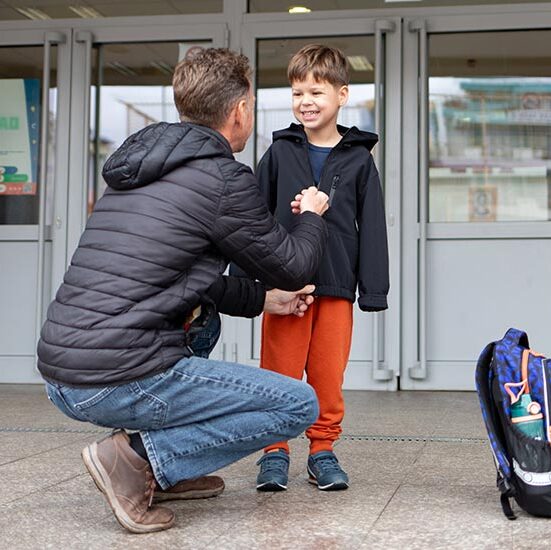
- Friends should make you feel happy and safe. If a peer at school touches you or talks to you in a way that makes you feel unsafe or uncomfortable, tell a safe adult.
- Most grown-ups at school, like teachers or coaches, are there to help you. If a grown-up asks you to do something that feels unsafe or wrong, such as going somewhere alone with them or keeping a secret, tell a safe adult right away.
- Bullying can happen in places like hallways, in the cafeteria, or outside. Stay close to good friends in these areas, or ask a teacher to keep an eye out for you in those areas.
- Stay calm and walk away from physical bullying. If someone tries to push, hit, or trip you, take a deep breath and walk away to a safe spot, like a teacher nearby or the school office. Staying calm shows the bully you are not scared, and walking away keeps you safe.
- Use your words to stop verbal bullying. If someone is teasing you or calling you names, use a calm, confident voice and tell the bully to “Stop.” Stand tall and remember your voice is powerful!
- If someone is bullying you or you witness bullying, tell a teacher, principal, counselor, or parent as soon as you can. Telling someone about bullying helps stop it faster. Don’t worry about “tattling”–telling is brave and keeps you safe. Grown-ups can make a plan to stop the bullying.

Being Safe at a Friend’s/Extended Family Member’s House
- Stay in safe places. Stick to places in the house where others can see you, like the living room or kitchen. Avoid going to private places alone with someone, like a bedroom or basement, if that person has/is making you feel uncomfortable.
- Trust your feelings. If something feels weird or scary, listen to that feeling. It’s okay to leave a game, activity, or watching something on a screen (movie, online video) if it doesn’t feel right.
- Set boundaries. It’s okay to say “No” to hugs, tickling, games, or any touch you don’t want, even from family or friends. You can say, “I don’t like that, please stop.”
- Check in with a safe Adult: Before going to someone’s house, tell your parents or guardian where you’ll be and who you’re with. If plans change, check in with them again.
- Stay with the Group: If you’re at a friend’s house with other kids, try to stay together. It’s safer to play or hang out in a group.
- Leave if you need to: If you feel unsafe or uncomfortable, it’s okay to leave or ask to go home. Your safety comes first.
- Talk to your parents/guardians and establish a “Family Safety Plan”
- Have a plan of how to message each other (Bark Watch, device, use someone else’s phone to call)
- Be sure to memorize your parents’/guardians’ phone number
- Establish a “safe phrase” so parents/guardians can quickly recognize if you’re in danger or feel unsafe i.e. Call home and say “I don’t feel well, you need to come get me right away”
What Is Abuse?
Abuse is when someone hurts another person’s body or feelings on purpose, in a very serious way.
Physical:
Physical:
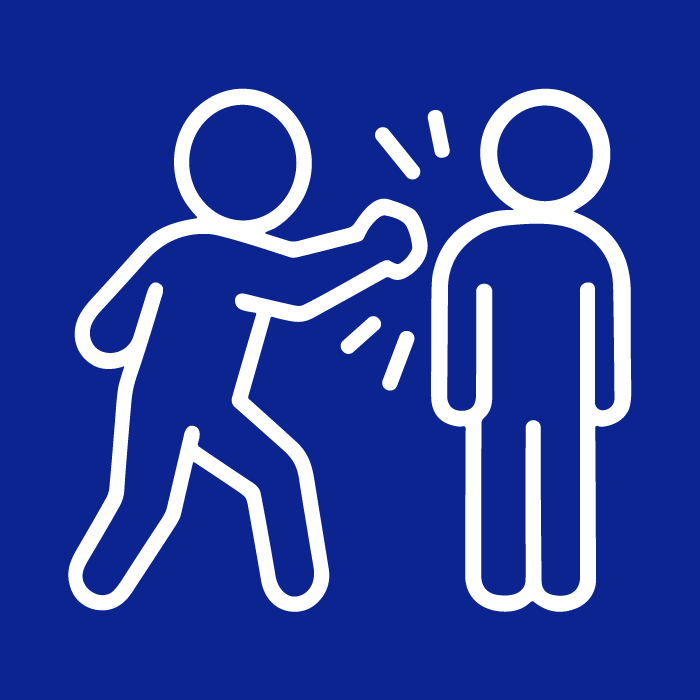
Physical abuse is when someone uses force to hurt someone in a serious way on purpose. Types of physical abuse may include hitting, kicking, pushing/shoving, pinching, using an object to strike someone, etc.

Emotional:
Emotional:
Emotional abuse is when someone often says or does things that make someone feel scared, sad, or bad about himself/herself. Emotional abuse may include yelling, name calling, telling someone they are not good enough, or blaming them for something that they did not do.

Bullying:
Bullying:
Bullying happens when someone uses his/her power to hurt or control the person he/she is bullying. Power could mean stronger physical strength, being more popular, or knowing embarrassing information.

Neglect:
Neglect:
Neglect is when the adults who are supposed to take care of children don’t give the child what he/she needs, like enough food, clean clothes, a safe place to live, or proper medical care. Children depend on these adults to keep them healthy and safe, and if the adults are not doing this job then they are being negligent.

Sexual:
Sexual:
Sexual abuse is when someone touches a child’s private parts(bathing suit zone) or asks the child to touch theirs. Also, it is sexual abuse if someone asks for private photos of a child or shows a child private parts. If someone talks to a child using words that are not appropriate and relate to private parts, that is also sexual abuse.
My Rights
You Have the Right to Protect Your Body.
You get to decide who touches you and how. If a hug, high-five, or any touch feels wrong or makes you uncomfortable, you can say “No!” It’s okay to set boundaries, even with people you know.
You Have the Right to Say “No!”
It is your body and your boundaries. You should never feel bad or apologize for saying “No.” You should feel proud that you are being brave and setting healthy boundaries.
You Have the Right to Feel Safe.
You deserve to feel safe and happy at all times–at home, school, or at someone else’s house. If you are ever feeling unsafe or scared then you have a right to speak up!
You Have the Right to Not Keep Secrets.
It’s okay to keep fun surprises, like a birthday gift, but surprises are eventually shared or revealed. Secrets are something that people expect you to never tell. If someone asks you to keep a secret that makes you feel bad, scared, sad, or confused, tell a safe adult right away.
You Have the Right to Say “No” to Sharing Online
You can choose the people with whom you interact online. You are not required to respond to others’ questions or comments. If someone online asks you to share photos or videos, you can choose not to share them.
You Have the Right to Privacy
Your body and private parts are yours, and no one should touch them or ask to see them, in person or online. If someone tries to break Brave Boundary rules, it’s okay to say “no” and tell a safe adult right away.
You Have the Right to Choose Your Friends
You have the right to pick friends who make you feel good about yourself, whether they’re at school or online. If someone is mean, pushes you, or makes you feel bad, or pressures you to do something that you don’t want to, you don’t have to be their friend.
You Have the Right to Trust Your Feelings and Speak Up
If something or someone makes you feel yucky, nervous, or confused, that is your body’s way of telling you something might not be right. Trust those feelings and talk to a safe adult. You can tell someone “Stop!” or “I’m not okay with that.” Speak up! Your voice is powerful.
Remember to always respect others’ rights, too
All of the rights on this list belong to everyone. Be sure to always listen to someone if they are telling you “no!” or asking you to stop. At all times, treat others how you would want to be treated.